05 March 2026
  Monica Madeley, Projects and Engagement Officer
The HESPA Awards are an annual highlight for the association, giving us a chance to focus on some of the fantastic strategic planning teams, and projects that contribute so significantly to the success of our institutions.
We are incredibly grateful to all involved in the awards, both those who submitted a nomination and those who judged them. The quality and range of award submissions was impressive, as always.
We were very proud to be able to announce our award winners as part of the HESPA Conference last night and send massive congratulations to all our winners.
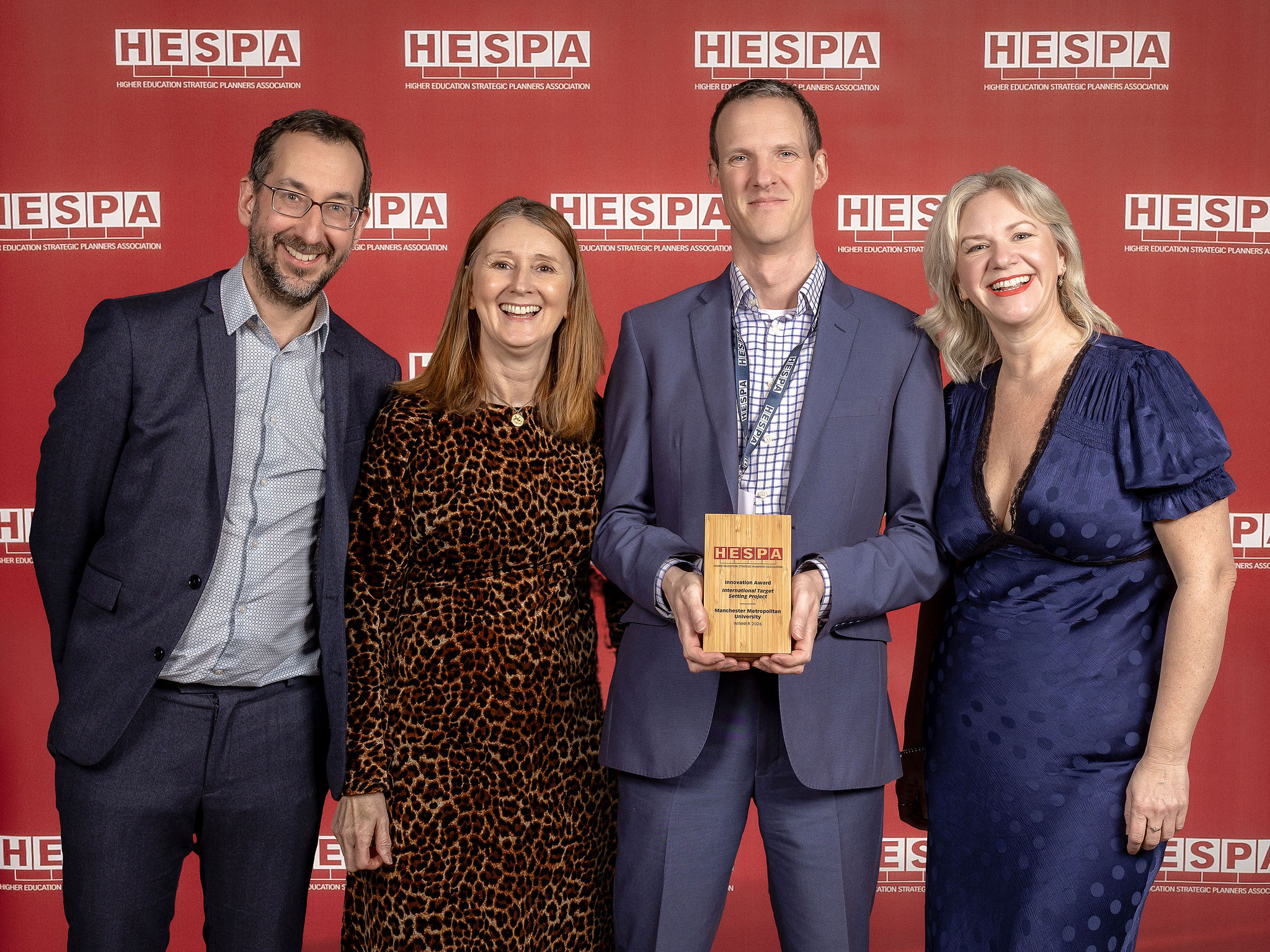
The HESPA Innovation Award
Winner: Manchester Metropolitan University for their International Target Setting work
Forecasting international student numbers is challenging due to market volatility and a 12-month data lag. Our project pioneered the use of Visa data as a real-time proxy for student numbers, enabling accurate modelling where traditional methods fail. We combined Visa trends with application, conversion, and market share data to create scenario-based models which empowered senior leaders to make evidence-based decisions on our level of ambition and risk linked to the International strategy. By repurposing Visa data and integrating advanced modelling with stakeholder input, we set a robust KPI for 2030—later recognised externally as a sector-leading, innovative method.
The HESPA Data Story Award
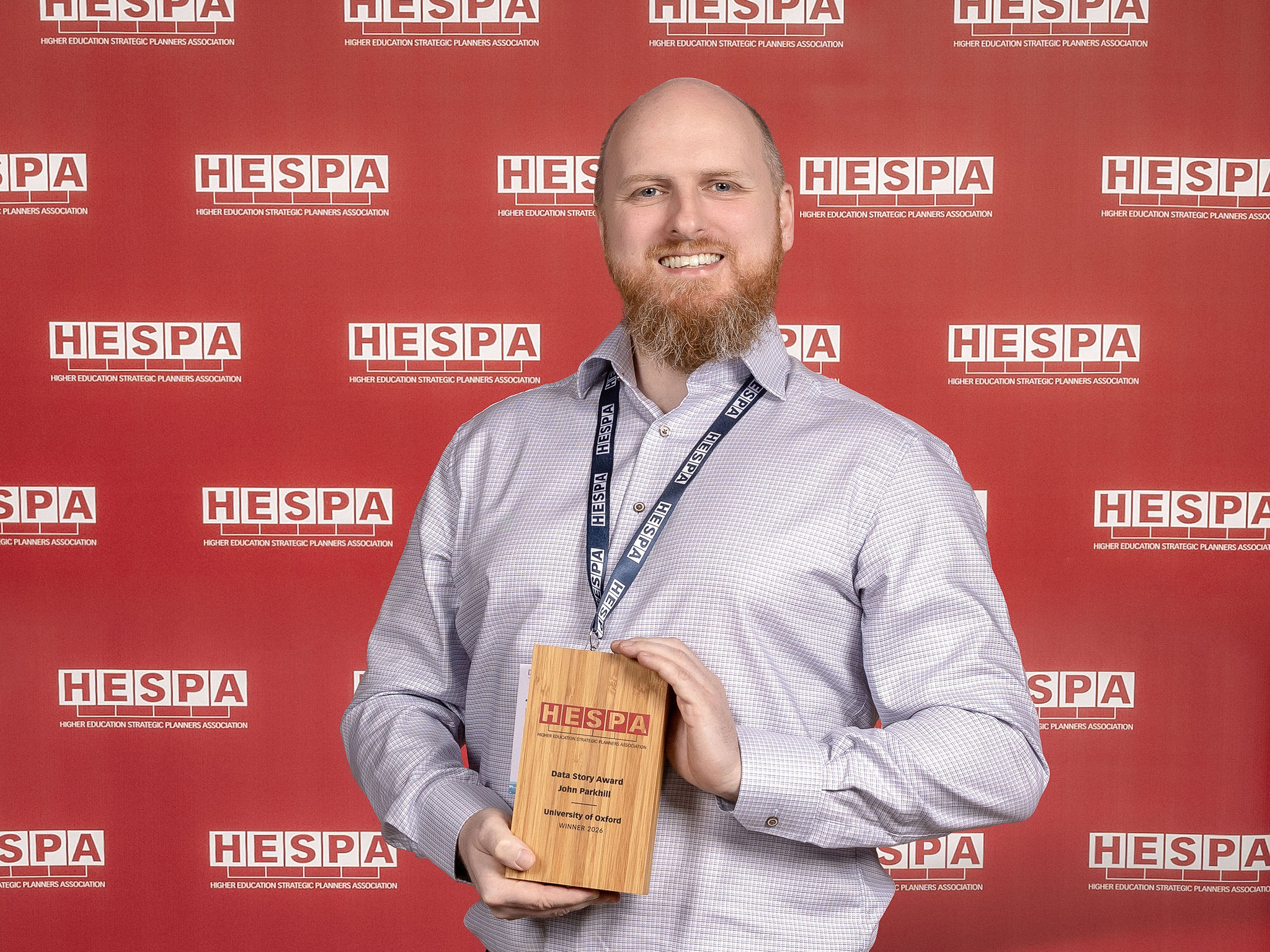
Winner: John Parkhill from the University of Oxford
When the OfS withdrew its sector-standard data checking tool at short notice, John Parkhill developed and shared an in-house solution that enabled the University of Oxford (as well as the wider sector) to maintain robust HESES/HESA reconciliation and data quality assurance. John’s tool ensured statutory returns remained accurate and compliant, safeguarding funding and institutional reputation. By openly sharing his work and supporting colleagues through the HESPA forums, John exemplified innovation, collaboration, and sector leadership in higher education data management.
The HESPA Strategic Planning Award
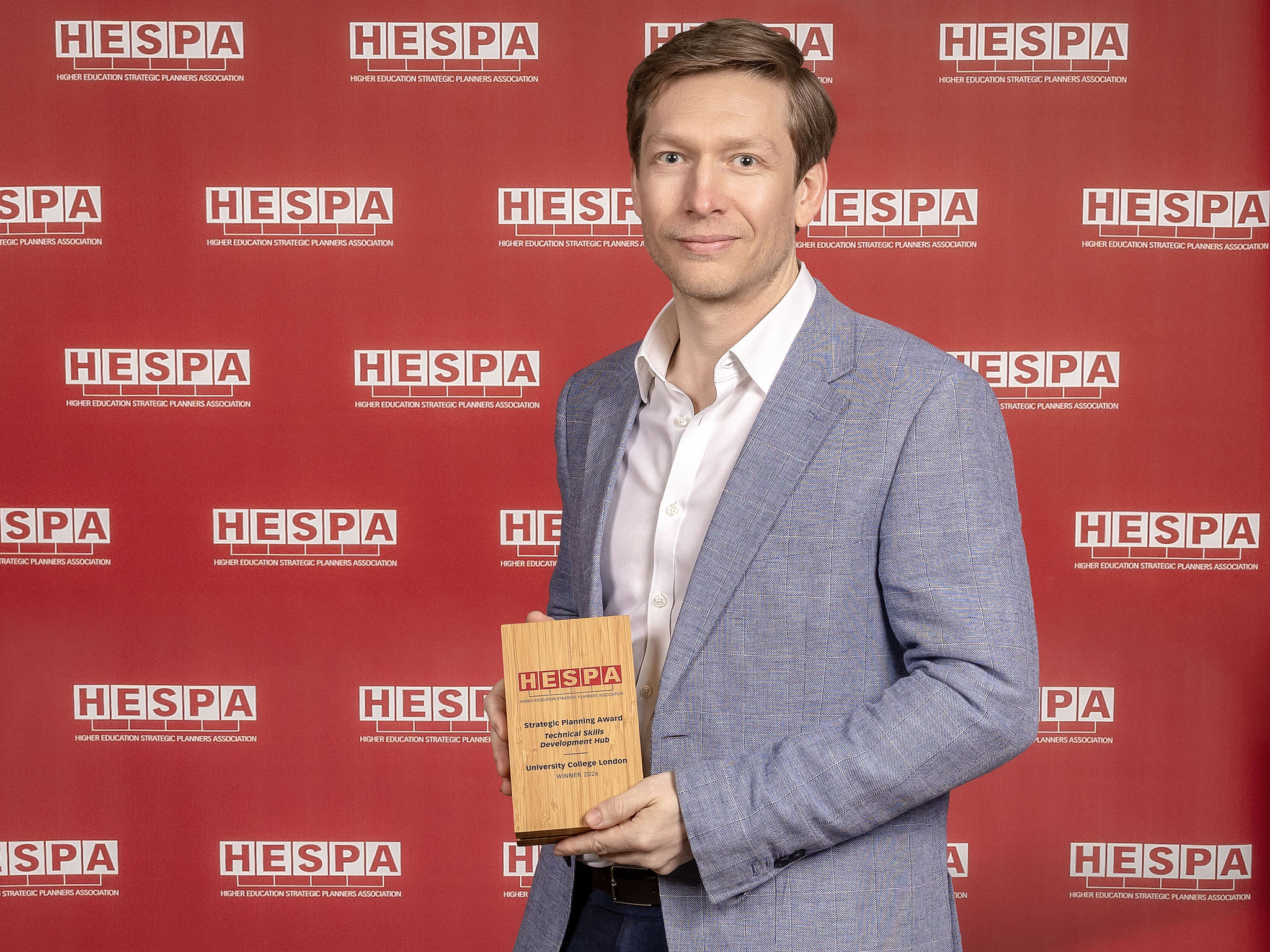
Winner: Technical Skills Development Hub at University College London
The Technical Skills Development Hub (TSDH) leads a sector-first, centrally supported model that embeds strategy and EDI into technical talent development. Driving UCL’s Technician Commitment, TSDH delivers high-impact initiatives across the institution and beyond, producing transformative outputs: the Career Framework, Fair Attribution Guidelines, and flagship recognition events—the Annual Technical Showcase and Technical Professional of the Year Award. In its first year, TSDH secured national funding, won the Technician Commitment Impact Award, and elevated visibility for technical careers. Through innovation and collaboration, TSDH sets the benchmark for advancing technical staff development.
The HESPA Paul Youngson Award
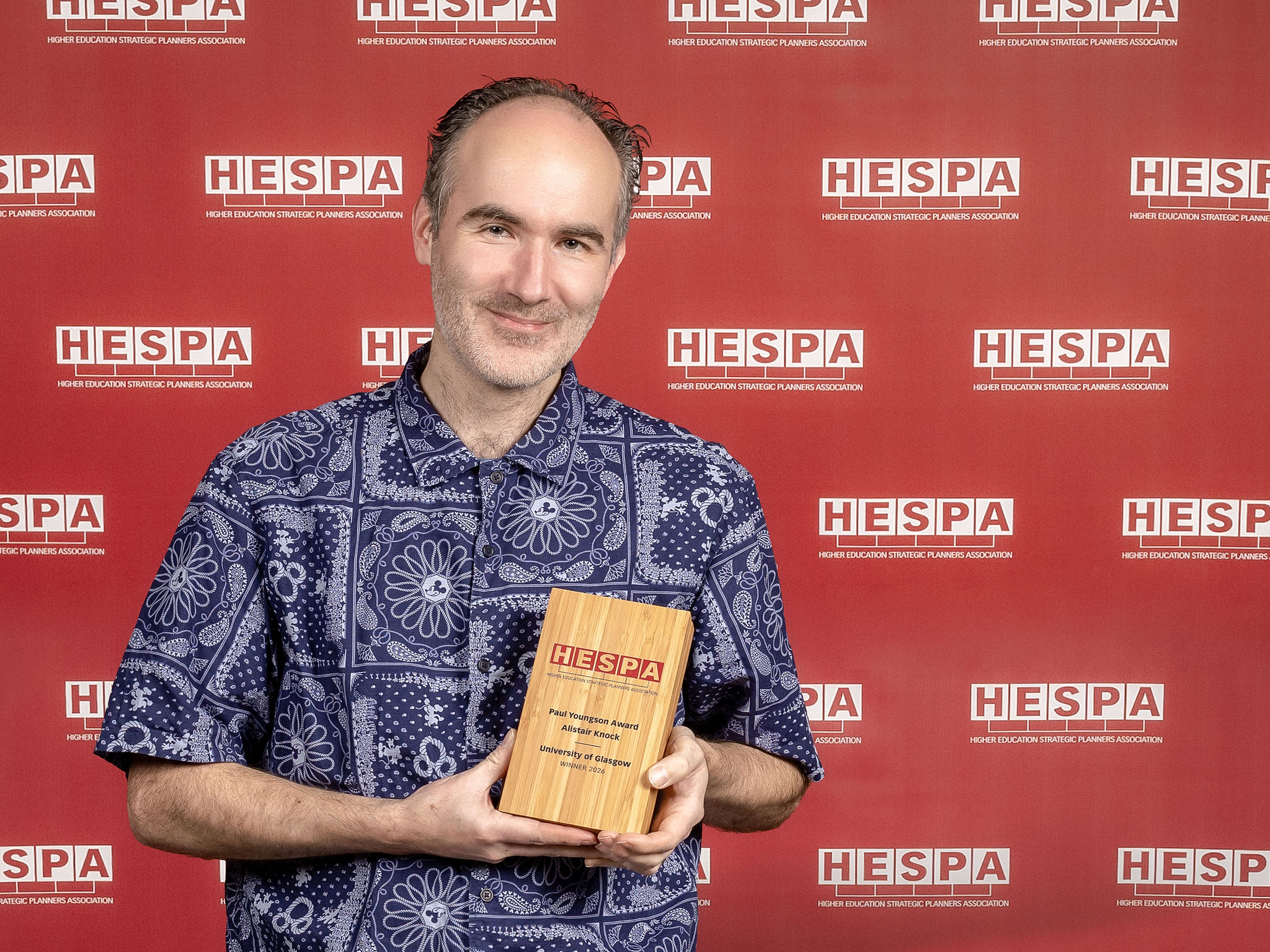
Joint Winner: Alistair Knock from the University of Glasgow
Alistair is nominated for his outstanding, selfless contribution to the strategic planning community. In a time of challenge and change, he generously led a comprehensive review of the University of Hull’s Strategy & Insight Service, offering expert insight and practical recommendations without personal reward. His work has transformed the credibility, impact, and strategic alignment of planning and data functions at Hull, and has been instrumental in building trust, improving decision-making, and advancing institutional capability. Alistair’s generosity, professionalism, and sector-wide commitment exemplify the spirit of this award.
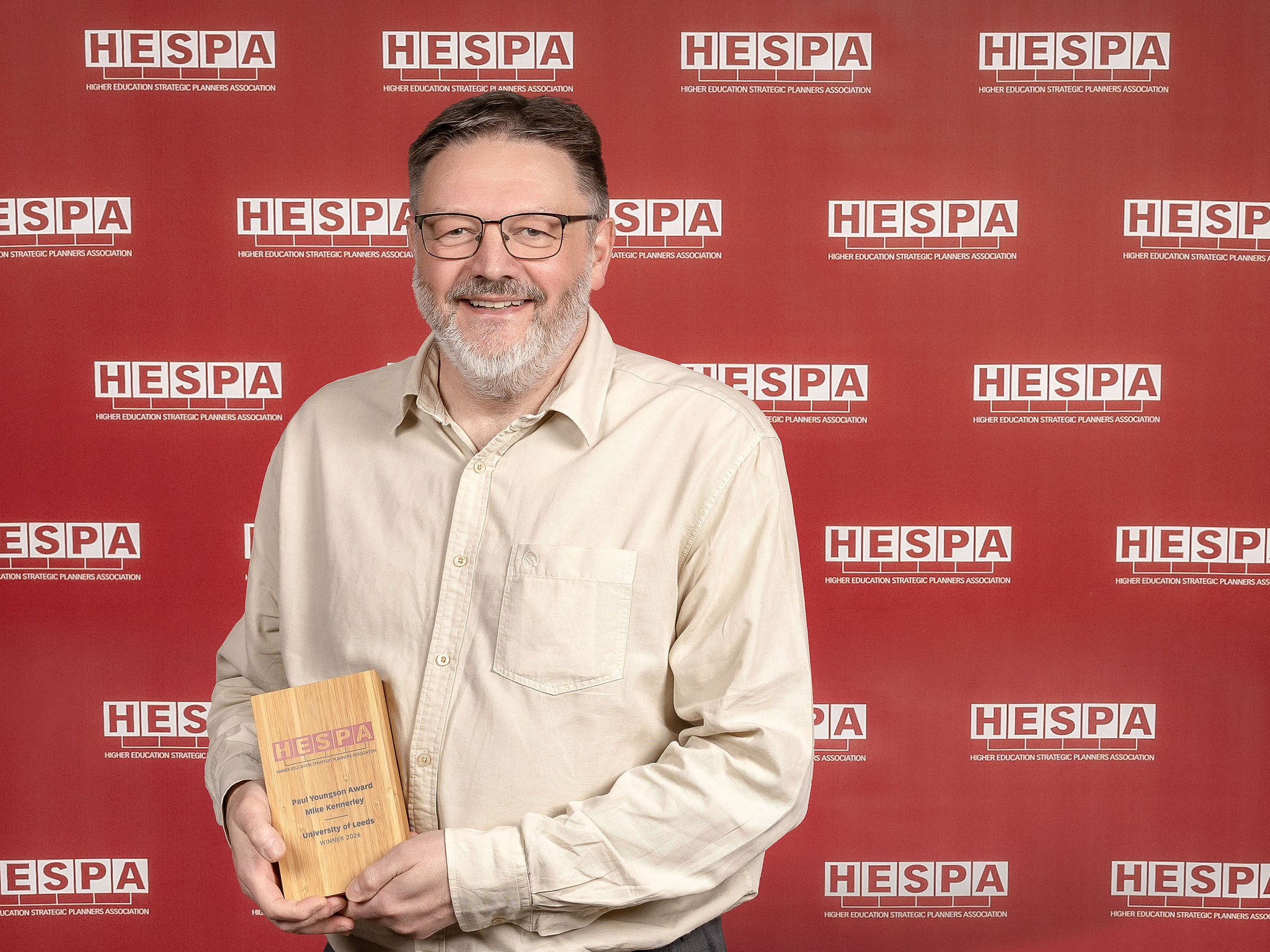
Joint Winner: Mike Kennerley from the University of Leeds
Mike is an outstanding strategic planner whose leadership has transformed planning capability at the University of Leeds. Over many years, he has shaped institutional strategy delivery, strengthened decision-making and built a culture that values evidence, collaboration and accountability. His work is widely respected across the University and the sector, reinforced by his contribution to the first HESPA book. Mike exemplifies the spirit of the Paul Youngson Award — thoughtful, impactful and generous with his expertise.
Highly Commended
In addition to our award winners, the following nominations were singled out by our judges as highly commended:
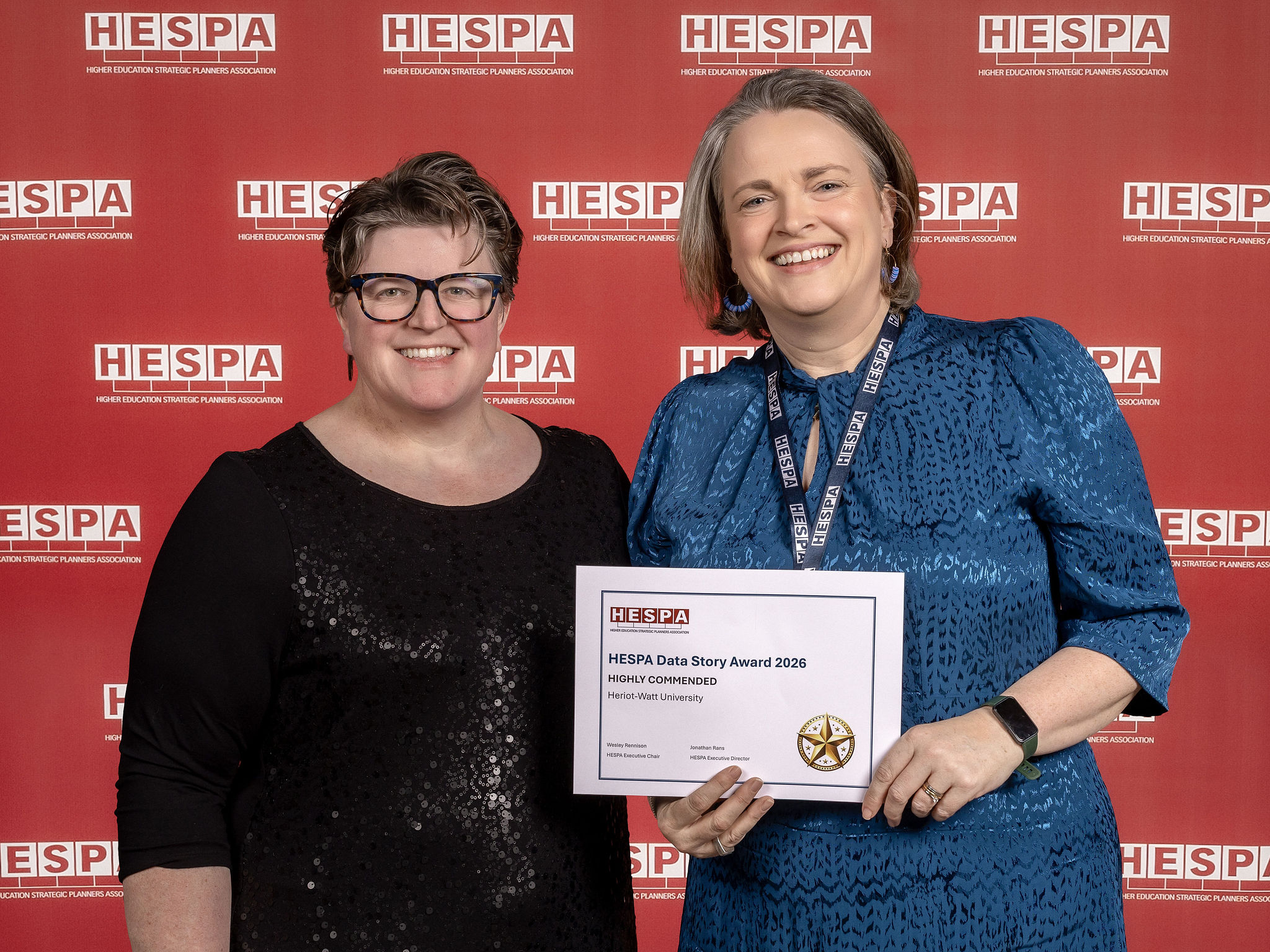
Highly Commended for the Data Story Award: Heriot-Watt University for the Holistic view of Programme Viability work
During 2025, the University implemented a new initiative to take a holistic view of programme viability, to enhance strategic oversight and decision-making regarding programme resourcing. An innovative and dynamic approach to combining tuition fee income and total cost trends by programme, alongside Staff FTE, number of students and SSRs, helped review teams understand financial viability of programmes. The process was iterative, data-informed and designed to support institutional agility, and is embedded in annual planning cycles, contributing to a more coherent and responsive portfolio strategy. This has been transformational for driving conversations to improve transparency, prioritisation and clearer resource allocation.
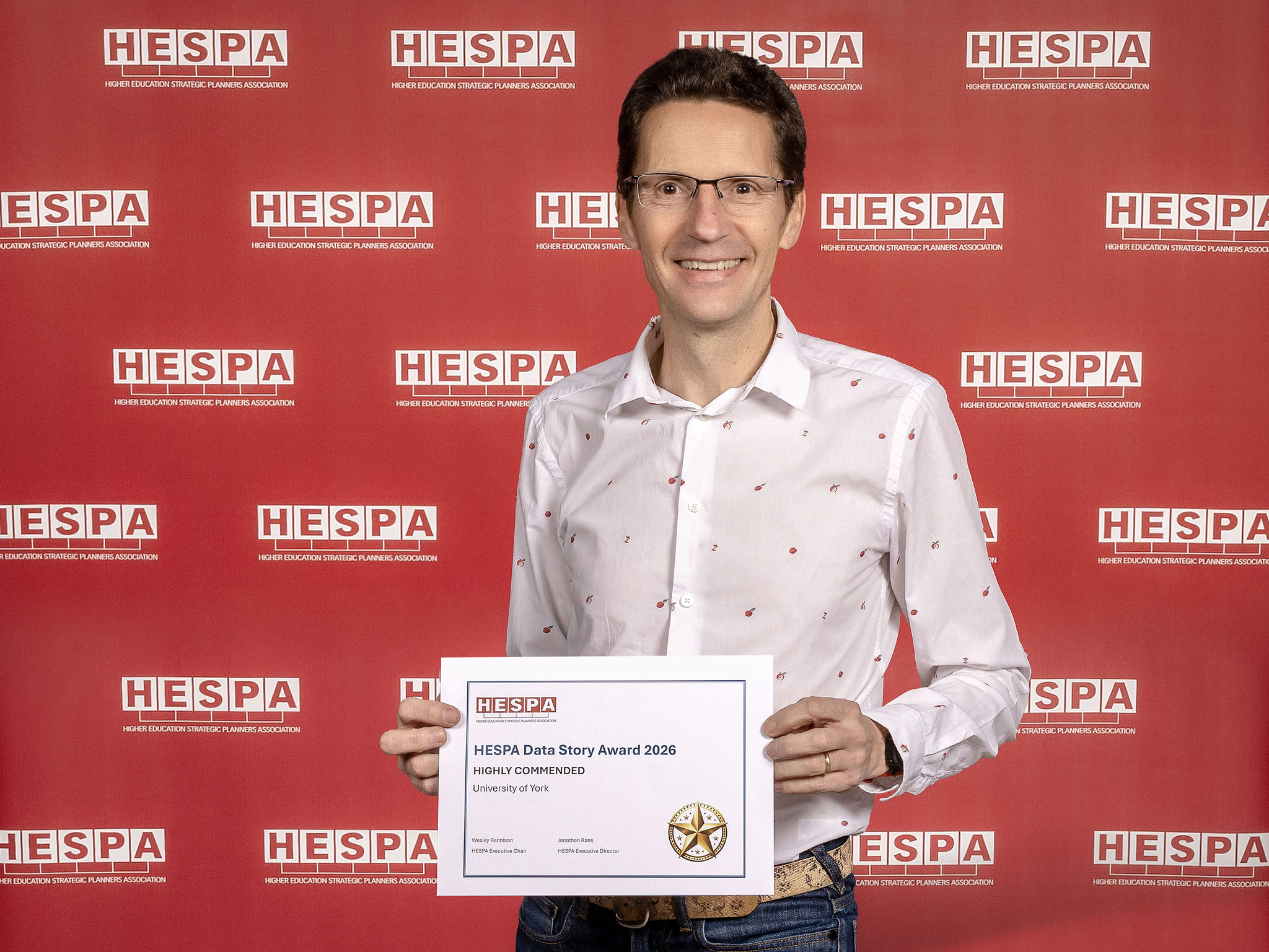
Highly commended for the Data Story Award: University of York for their project to Understand Successful Applicant Withdrawals
The Understanding Successful Applicant Withdrawals project has been an innovative project bringing together complex data from a range of sources to develop a comprehensive understanding of a critical period of the student lifecycle. Withdrawals of successful applicants all the way from UCAS ‘Decline my place’) at Confirmation through to during their first year of study can now be analysed in a single place. The complex data has been visualised in an easy-to-understand way with segmentation by key characteristics. The project has facilitated improvements in student number planning, applicant and student support, Confirmation and Clearing, management of accommodation and financial forecasting.
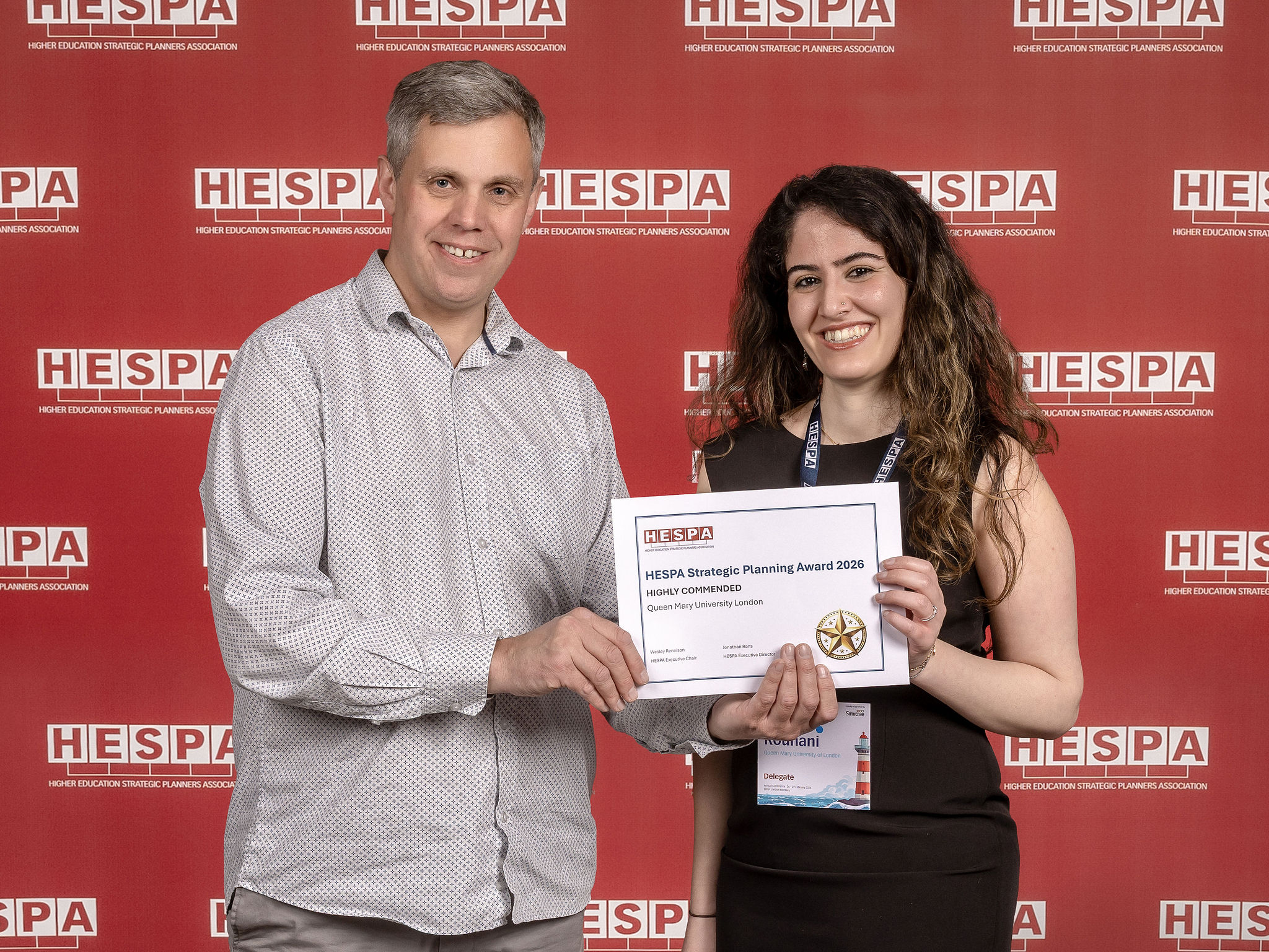
Highly Commended for the Strategic Planning Award: Queen Mary University London for their Information Provision Community of Practice
Following the arrival of a new data-hungry Principal in 2017, Queen Mary adopted a low-cost, people-centric data strategy that has enables insight-driven decision making. By empowering analysts within each domain to create and maintain shared datasets and dashboards the QUIP community delivers accurate, trusted information that aligns with institutional priorities. The approach has increased dashboard usage from 0 to 260,000 instances a year, it has built analytical capability across Professional Services as well as supporting staff development and retention. QUIP exemplifies how devolved leadership, shared standards, and a culture of collaboration can deliver sustained strategic impact.